Soundscape is the practice of assessing and designing sound based on how listeners perceive it in context
At Anderson Acoustics, we have a dedicated sector for projects that require sound environments to go beyond just meeting decibel criteria and instead, assess sound from a more human perspective and create places that support wellbeing.
Why?
A soundscape approach is driven by an understanding of the variety of ways that sound can be perceived and how it can impact wellbeing. A sound when heard by a person in one environment, can impact them negatively, but when the same sound is heard in a different context, it can be perceived as positive. Think music playing at a concert and music playing from your next door neighbour’s house. This is the nature of sound and how humans and other beings perceive and relate to it.
Think: How should an electric bus sound to enhance safety and promote more sustainable urban environments?
How?
This may seem a daunting task. Rest assured, we have developed a Soundscape Process that focuses on the end-user and the impact the sound is intended to have. We apply user-centric design practices, alongside psychoacoustic and multi-disciplinary considerations to help project teams understand, design and communicate effectively for sound quality and comfort in place.
Our secret is that it all begins by creating a compelling narrative from the perspective of the end-user. Starting from this basis opens up endless possibilities for how a sound can be shaped, enhanced, minimised and tuned to an intended purpose or user-group, that positively impacts a space or that sheds light on how people are likely to react to a sound in relation to their surrounding context.
Think: How can we assess and present information on domestic appliances that helps people make choices to achieve acoustic comfort in the home?
What?
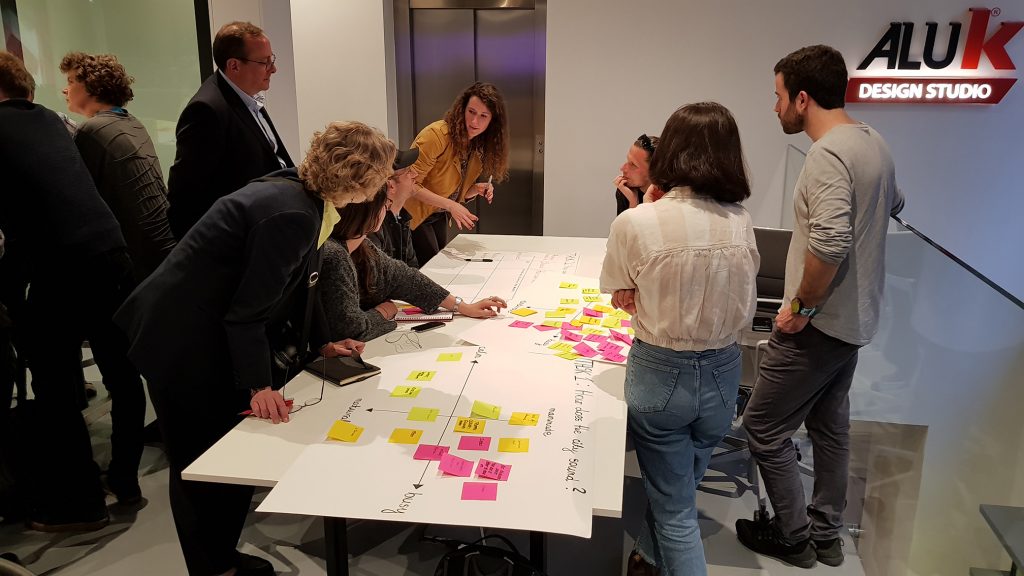
Our Soundscape Process involves workshopping and understanding the problem or challenge at hand and tailoring a methodology suitable for aching the best-case scenario for your project. Whether that’s creating a sound that’s safe and comfortable for the most vulnerable in our society, understanding how to improve sound quality for day-to-day appliances, or how to create tranquil, restorative places that meet requirements for the WELL standard.
Briefing Workshop
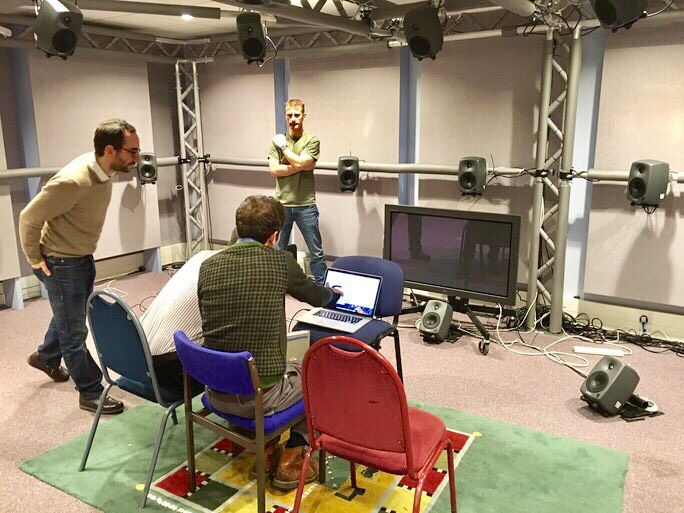
We always kick-off with a workshop to understand objectives, challenges and constraints of a project. This will clearly establish project goals and deliverables and begins the team on the journey to talk and design with sound in a meaningful and integrated way. This can include listening demos in our SonicRoom to explore possibilities and get the team talking about sound possibilities.
Creating a Compelling Narrative
We know that convincing the decision makers and members of the public that an approach is worth the expense is 90% of the battle. We are experts in creating compelling narratives that can explain the challenge and benefits succinctly and make the strongest case for best practice designs and approaches.
Developing a Suitable Methodology
When we go beyond the decibel we need tailored and robust methods of achieving the project aims. We make a point of applying user-centric design approaches to create suitable methodologies to reach that goal, challenging the norm by designing to the most extreme needs first as this can ensure inclusive design for all. We tend to propose collaborative teams here, working with environmental psychologists, sound designers, sustainability experts and technology experts, to ensure the deliverables are of the highest quality.
Soundscape Assessment
We will then carry out the methodology through a series of work packages, which may include:
Public Engagement Workshops/Walkshops to understand user needs and attitudes to sound
SonicRoom demonstration for stakeholders and the team to listen to design options or scenarios in a controlled environment
Psychoacoustic analysis of various user-scenarios to understand objectively the quality of sound beyond the decibel
Cross-analysis of subjective & objective results to assess key relationships between users and attitudes to sound options
Relationship of sound to co-benefits that go beyond acoustic benefits, such as wellbeing, restoration, concentration, productivity, as well as environmental and nature benefits.
Systems or Design Integration & Coordination
Our belief is that solutions are only helpful when they are fully coordinated and considered in relation to other design aesthetics and objectives. That’s why we work closely with the project team and other key partners to integrate our solutions and findings into designs in a seamless way
Validation Testing & Engagement
We will validate the design against the objectives and deliverables established in the briefing workshop to ensure we meet expectations and will test this with local stakeholders.
Communication & Dissemination to Key Audiences
We will work with you to develop a team, client and/or public communication plan to disseminate the journey and benefits that result from the delivered design or assessment. This is often a vital element that’s missed, but like the narrative, it’s fundamental to public and end-user adoption.
Value Proposition
We offer a proven way of applying soundscape approach to justify and achieve best practice and inter-disciplinary design objectives for our clients. This may be enhancing health and wellbeing, safety, acceptability or providing restorative spaces that people can feel well in. We validate good design practices and coordinate multidisciplinary teams to define, achieve and ultimately provide the benefits of aspirational designs and places.
The Team
If you’ve got a project in mind, our contact details are below or you can send us a message