𝗪𝗵𝗮𝘁 𝗶𝗳 𝘁𝗵𝗲 𝗯𝗶𝗴𝗴𝗲𝘀𝘁 𝗯𝗮𝗿𝗿𝗶𝗲𝗿 𝘁𝗼 𝗶𝗻𝗰𝗹𝘂𝘀𝗶𝘃𝗲 𝗱𝗲𝘀𝗶𝗴𝗻 𝗶𝘀𝗻’𝘁 𝗮 𝗹𝗮𝗰𝗸 𝗼𝗳 𝘀𝗽𝗲𝗰𝗶𝗮𝗹𝗶𝘀𝘁 𝗲𝗾𝘂𝗶𝗽𝗺𝗲𝗻𝘁 𝗼𝗿 𝗸𝗻𝗼𝘄𝗹𝗲𝗱𝗴𝗲, 𝗯𝘂𝘁 𝗮 𝗹𝗮𝗰𝗸 𝗼𝗳 𝗰𝗼𝗻𝘃𝗲𝗿𝘀𝗮𝘁𝗶𝗼𝗻? 𝗔𝗻𝗱 𝗵𝗼𝘄 𝗺𝗮𝗻𝘆 𝗼𝗳 𝘂𝘀, 𝗵𝗮𝘃𝗶𝗻𝗴 𝘁𝗵𝗮𝘁 𝗸𝗻𝗼𝘄𝗹𝗲𝗱𝗴𝗲, 𝗰𝗼𝗻𝘁𝗶𝗻𝘂𝗲 𝗱𝗲𝘀𝗶𝗴𝗻𝗶𝗻𝗴 𝗮𝘀 𝗶𝗳 𝘄𝗲 𝗮𝗹𝗹 𝘀𝗵𝗮𝗿𝗲𝗱 𝗮 𝘀𝗶𝗻𝗴𝗹𝗲 𝗲𝘅𝗽𝗲𝗿𝗶𝗲𝗻𝗰𝗲?
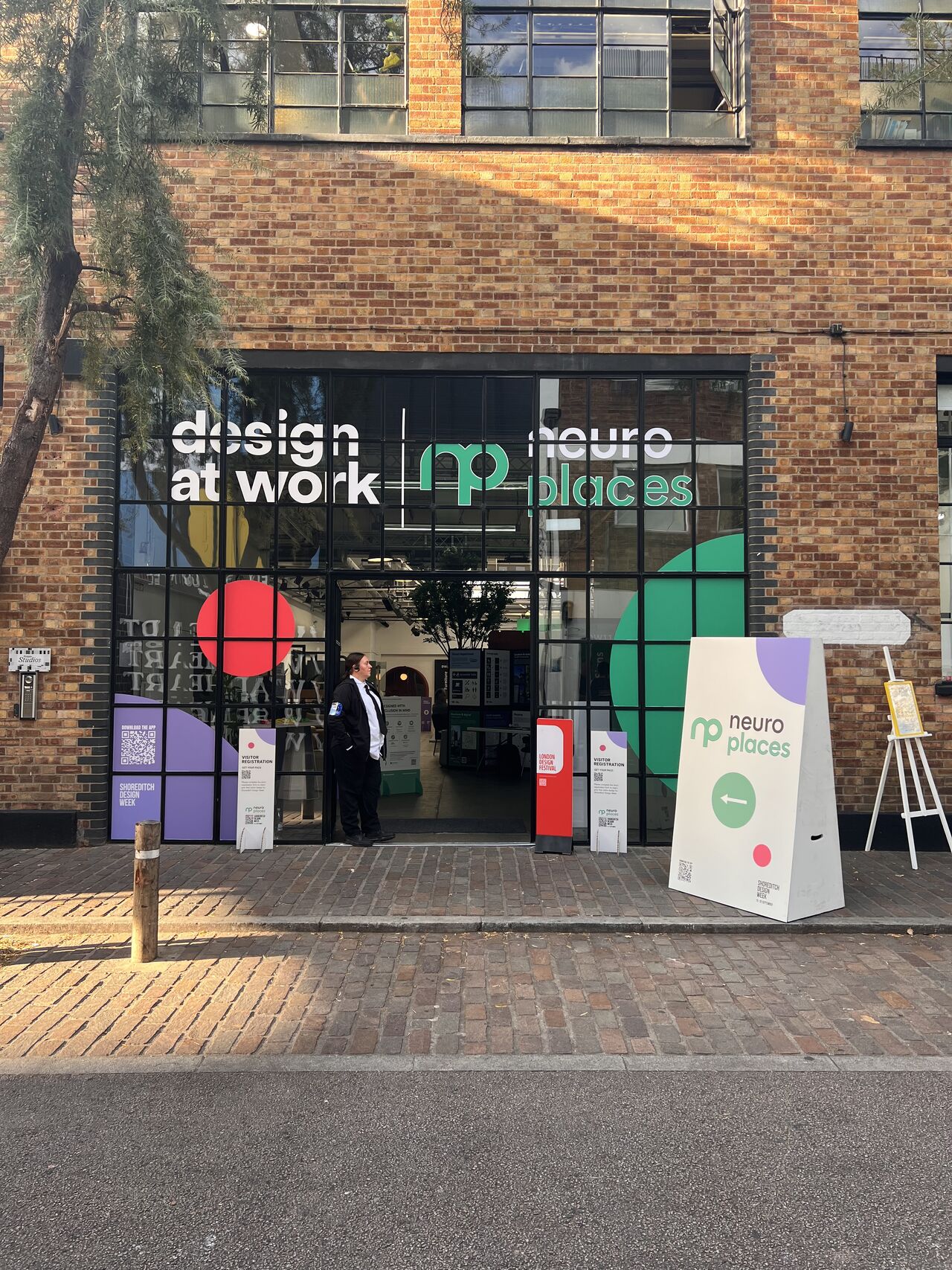
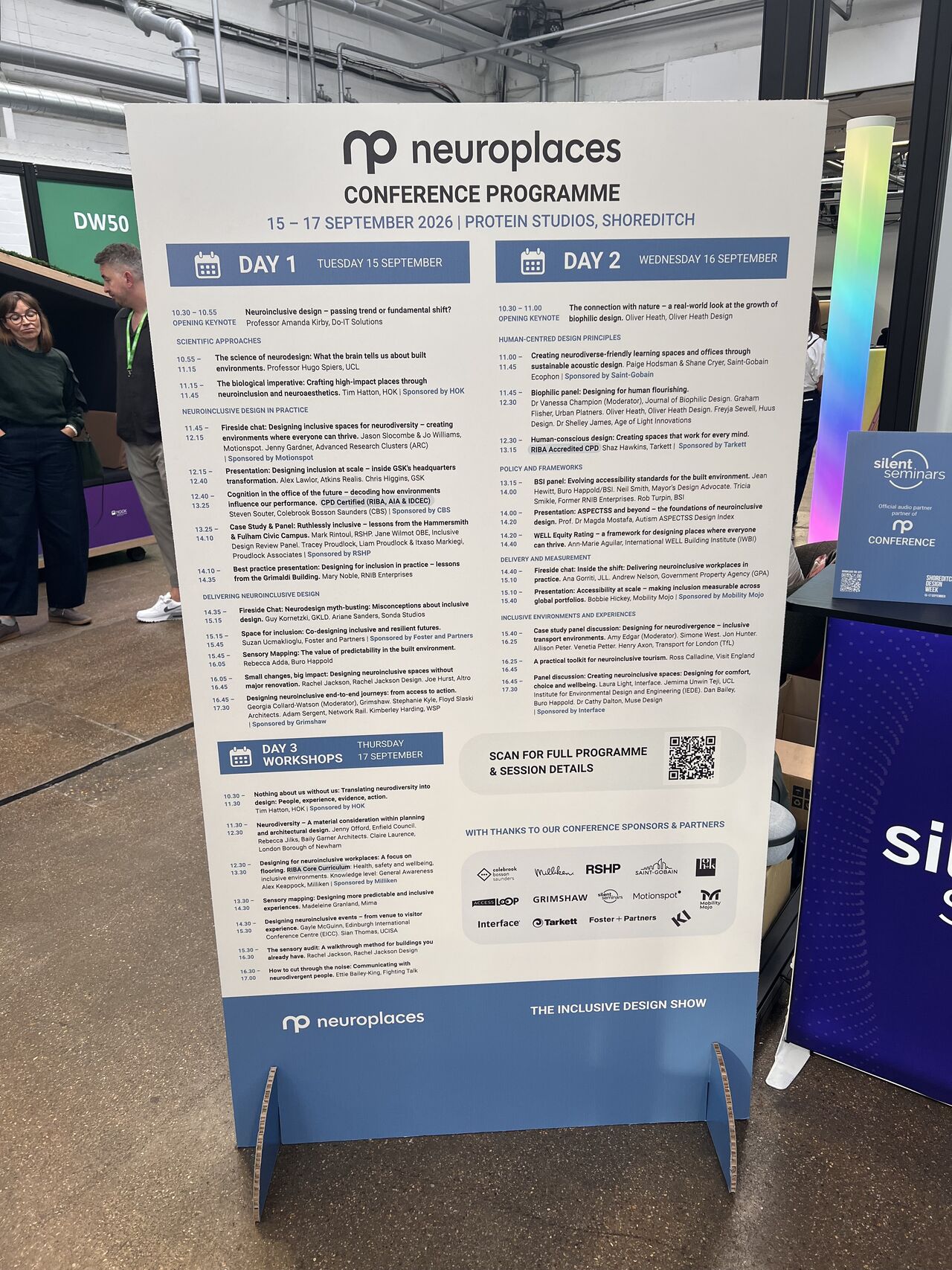
Last week, Emma Greenland and Eduardo Manzano Fontecha attended Neuroplaces 2026 as part of Shoreditch Design Week joining conversations around neuroinclusive, sensory and human-centred design.
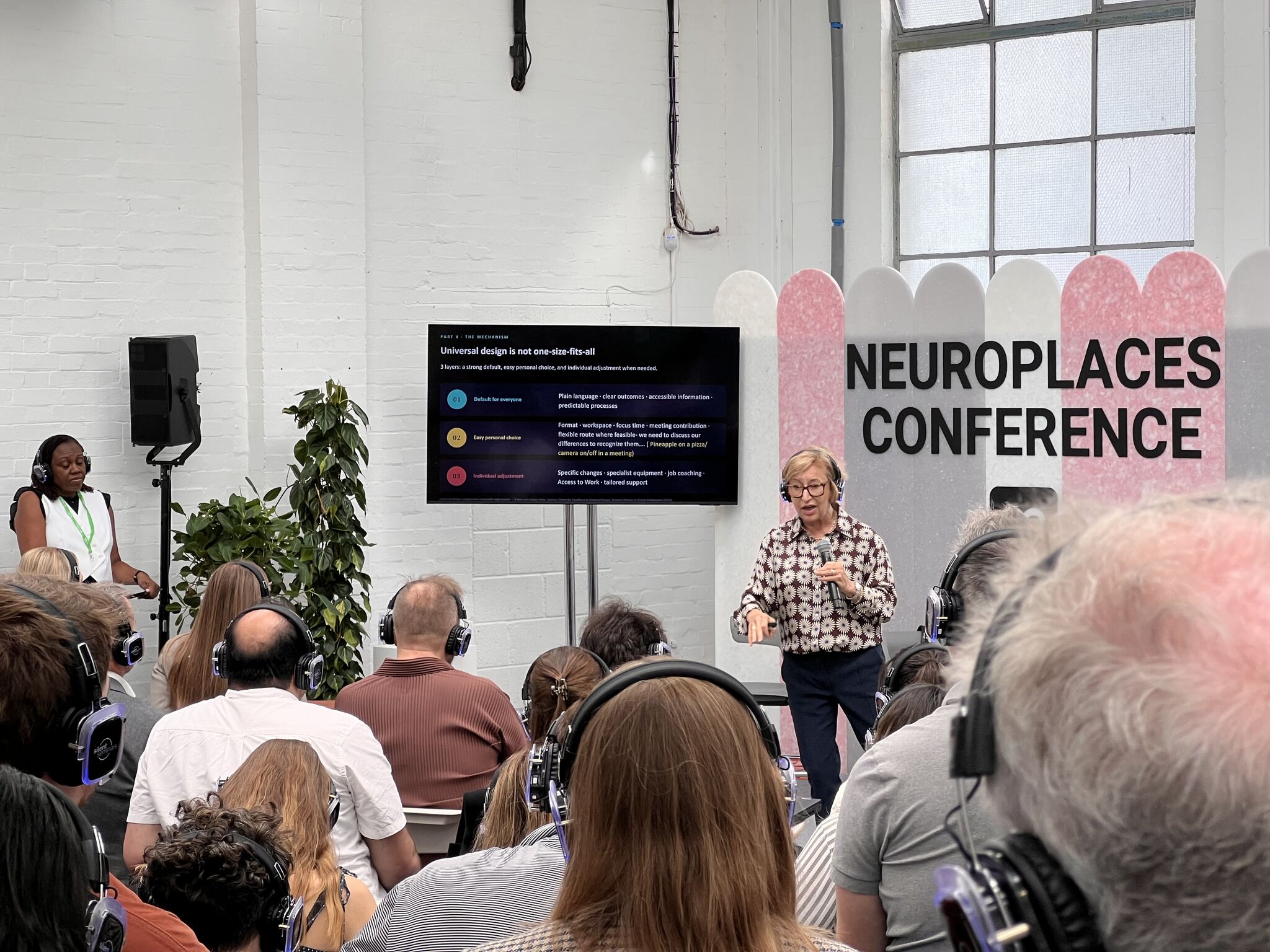
A recurring message throughout both days was that truly inclusive design starts with listening, engaging and understanding individual needs, rather than relying on assumptions or one-size-fits-all solutions.
Some of our key takeaways included:
🔹 Needs-led design, not diagnosis-led design
Prof. Prof. Amanda Kirby MBBS MRCGP PhD FCGI FRSA 🟢 highlighted the importance of reducing barriers and sources of friction, recognising that people experience and interact with environments in different ways.
🔹 Never assume user experience
Several speakers reinforced that every person’s relationship with a space is unique. Inclusive design is most effective when informed by direct engagement, observation and lived experience.
🔹 Sensory mapping is becoming increasingly important
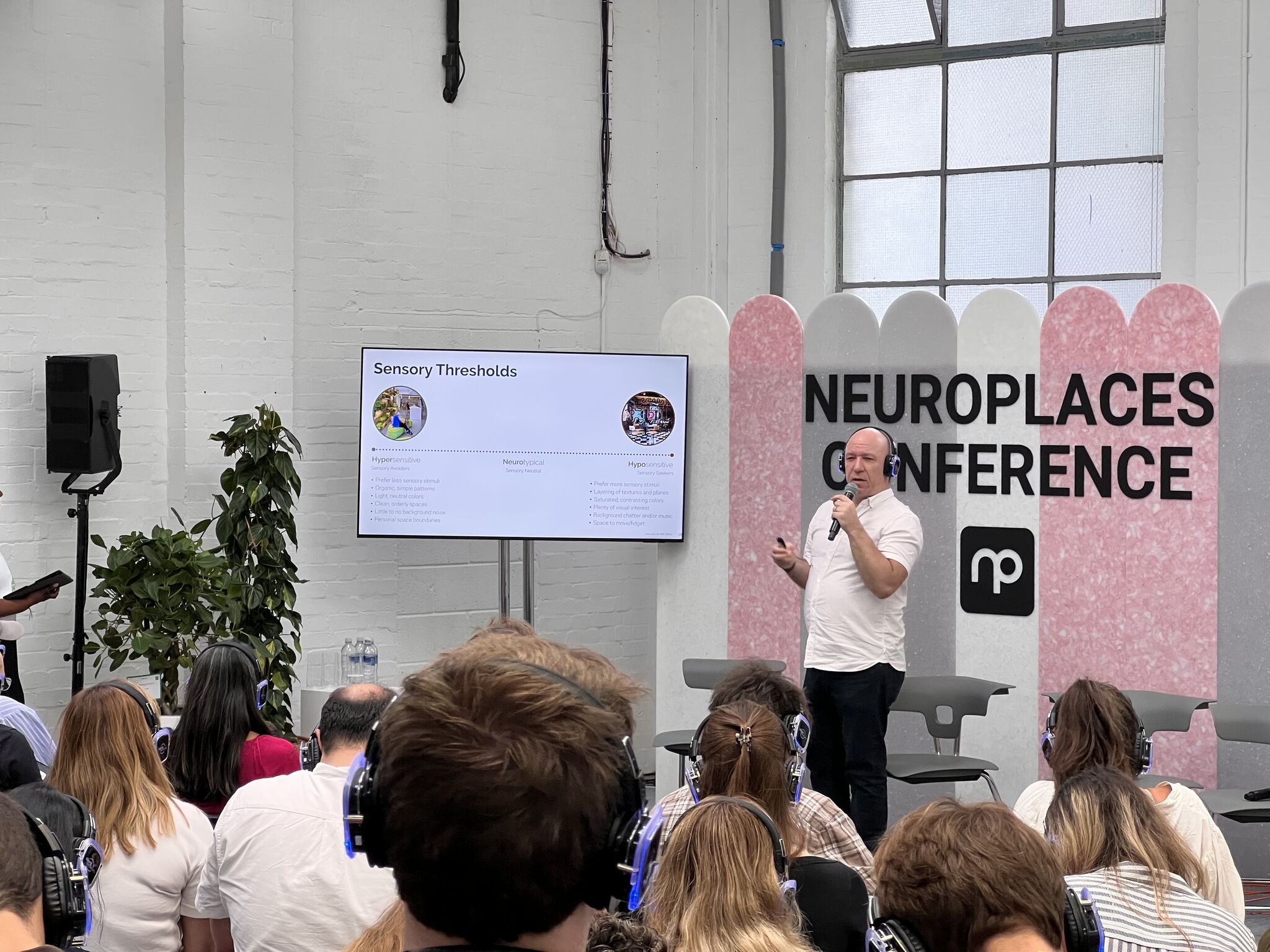
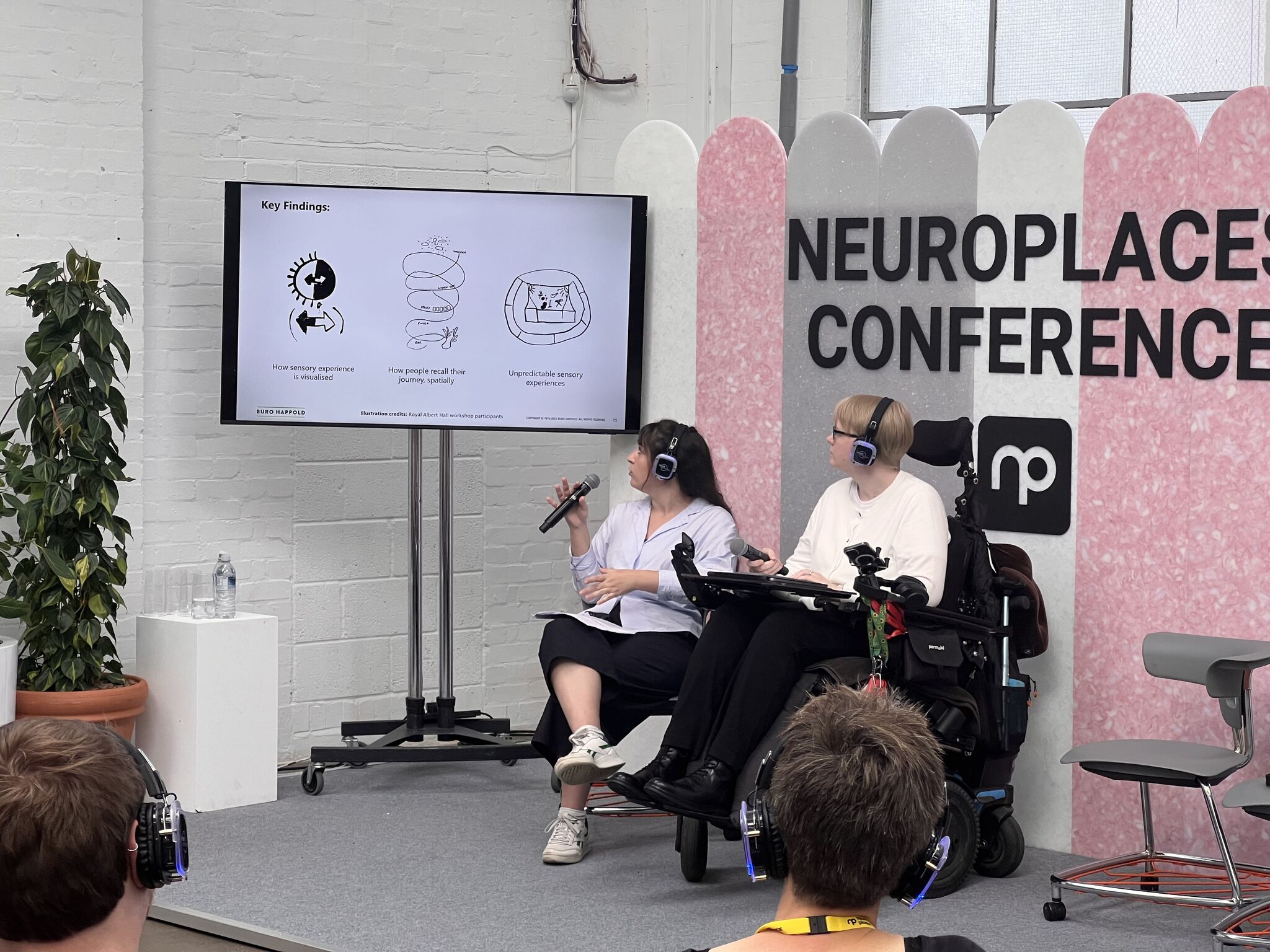
From the Royal Albert Hall to education settings and workplaces, sensory mapping featured prominently throughout the conference. Understanding how people experience spaces through all their senses can help create environments that are more comfortable, accessible and effective.
🔹 The value of soundscape thinking
For us, it was encouraging to see growing recognition of sensory considerations beyond traditional compliance measures. We have increasingly incorporated soundscape mapping into our education projects to better understand the listening experience across school environments
🔹 Biophilic and neuroinclusive design are closely linked
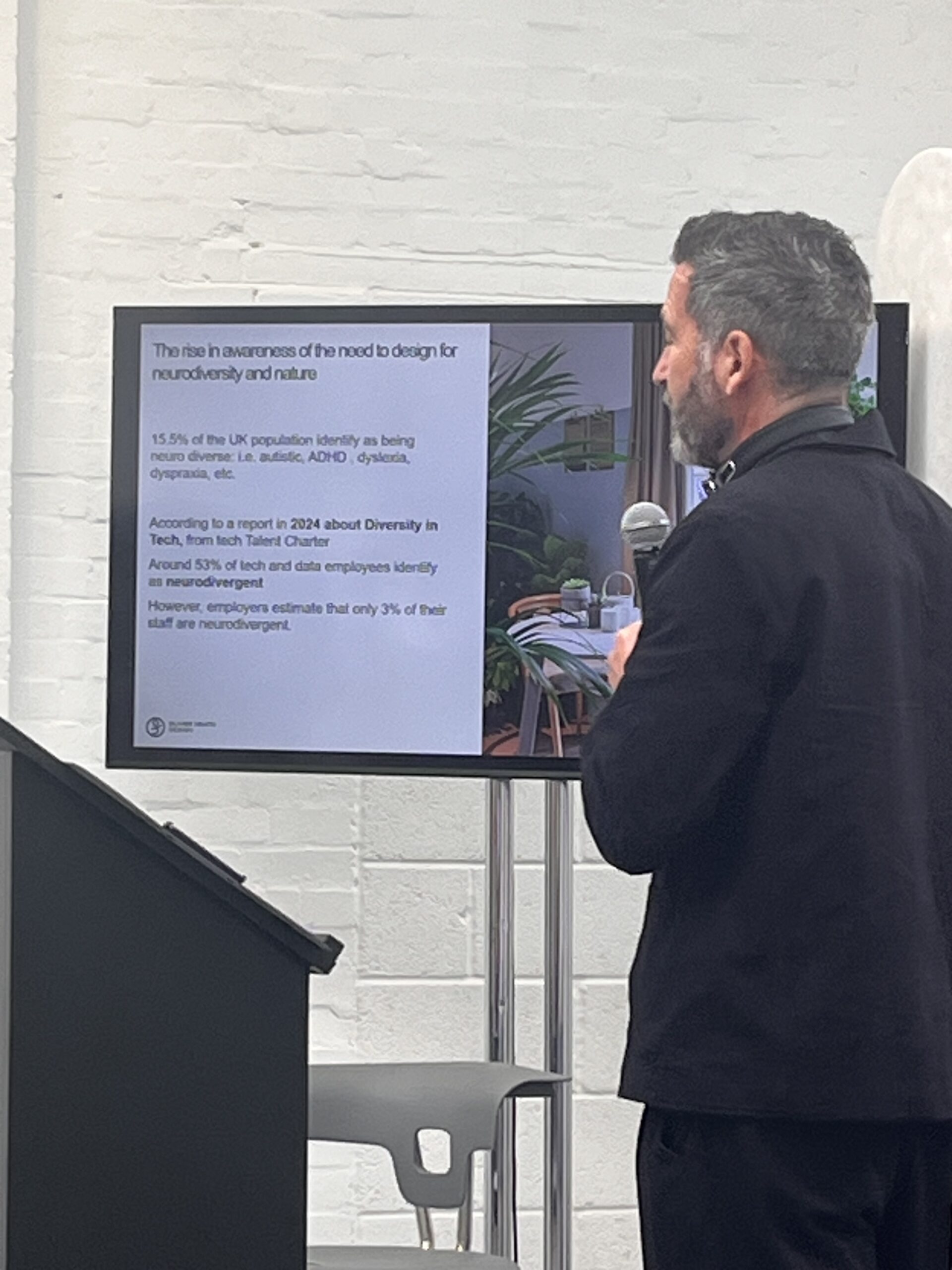
Oliver Heath‘s keynote explored the relationship between biophilia and human-centred design.
🔹 Inclusive design extends across all sectors
Whether discussing transport, education, workplaces, public spaces or residential developments, the principles remained consistent: understand users, engage early and design with people rather than for them.
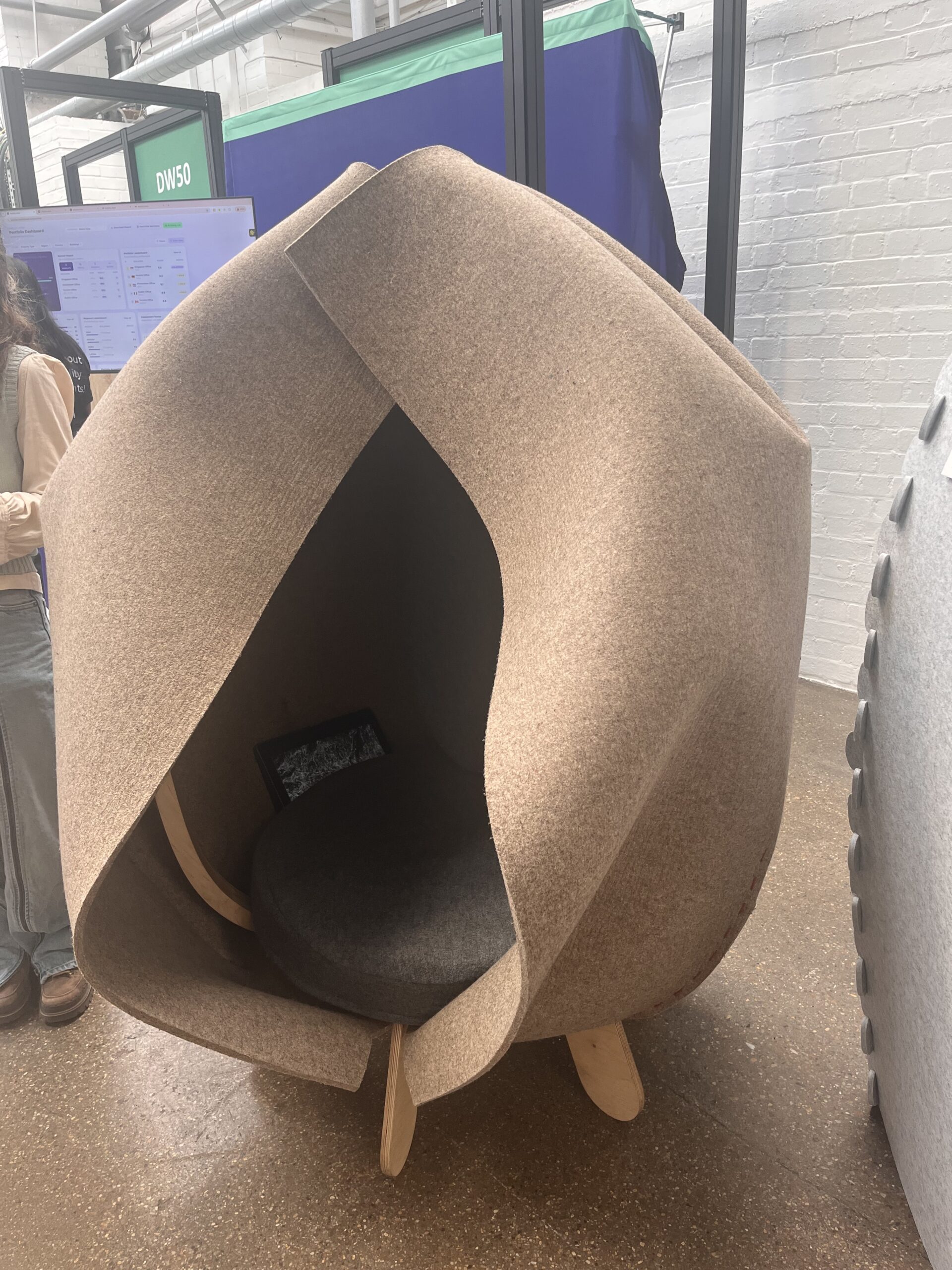
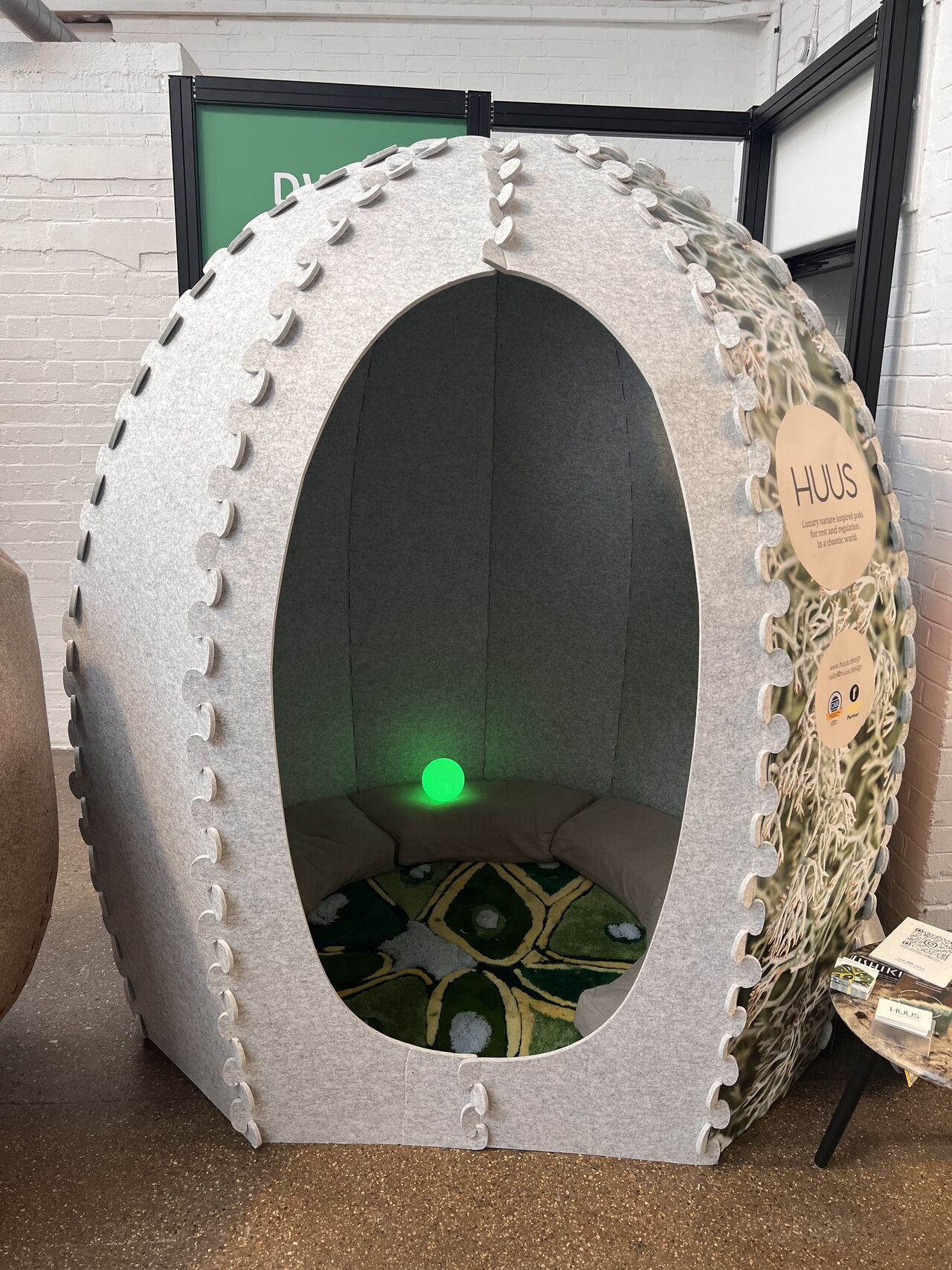
A particular highlight was learning more about Auracast and Transport for London‘s pilot work on the London bus network, alongside discussions on autism-inclusive design principles, sensory regulation and the role of quiet or “perch” spaces within the built environment.
Perhaps the strongest message from the event was that acoustics, lighting, landscape, architecture and interior design cannot be considered in isolation. The most successful spaces emerge when disciplines work together and when user experience is embedded in the design process from the outset.
Thank you to the Neuroplaces team for bringing together such a thought-provoking programme, and to everyone we met and spoke with throughout the event. We left feeling energised by the conversations and encouraged by the growing momentum behind evidence-based, neuroinclusive design.
Read more about Emma and Eduardo‘s own reflections on their LinkedIN posts they shared after the event.