𝗜 𝘁𝗼𝗼𝗸 𝗮𝗻 𝗮𝗶𝗿 𝗾𝘂𝗮𝗹𝗶𝘁𝘆 𝗺𝗼𝗻𝗶𝘁𝗼𝗿 𝗼𝗻 𝘀𝗮𝗳𝗮𝗿𝗶…
I have just returned from Zimbabwe, where I was mainly acting as bag carrier, emotional support, sun cream applier, and photographer for my girlfriend, who was “working” while visiting safari lodges. Tough life, I know.
I also took along my Aira Labs air quality monitor.
I used it during safari drives, in lodge rooms, around campfires, on flights, and during road transfers between camps. The highest reading? A road transfer between Hwange National Park and Victoria Falls.
Inside an enclosed Toyota Land Cruiser, the monitor recorded a PM2.5 concentration of 42.3 µg/m³. (I didn’t fancy opening the window to get an outside measurement).
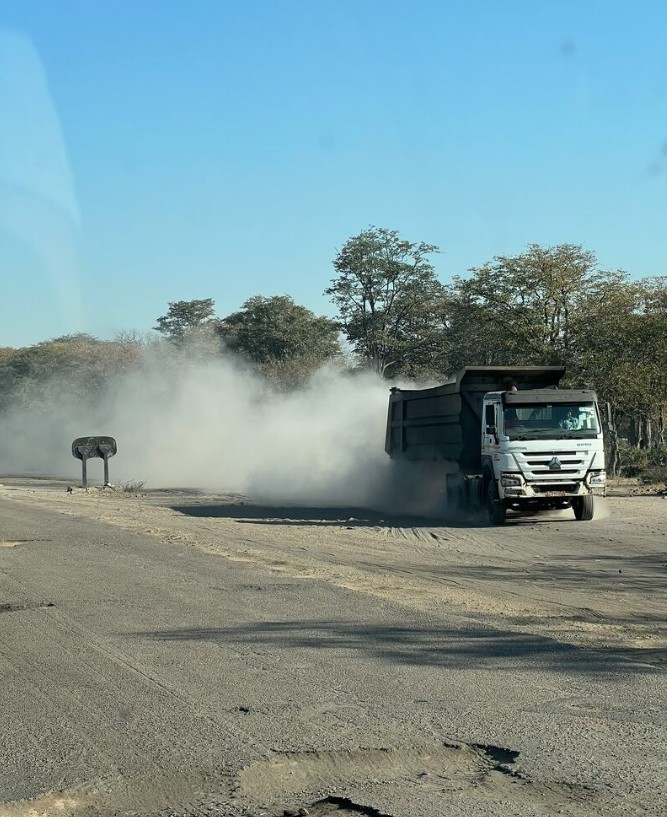
The transfer included long sections of dusty tracks due to construction works. To be fair, some sections were being sprayed with water to help control dust, which was good to see. But when large trucks passed, the visible dust was still significant.
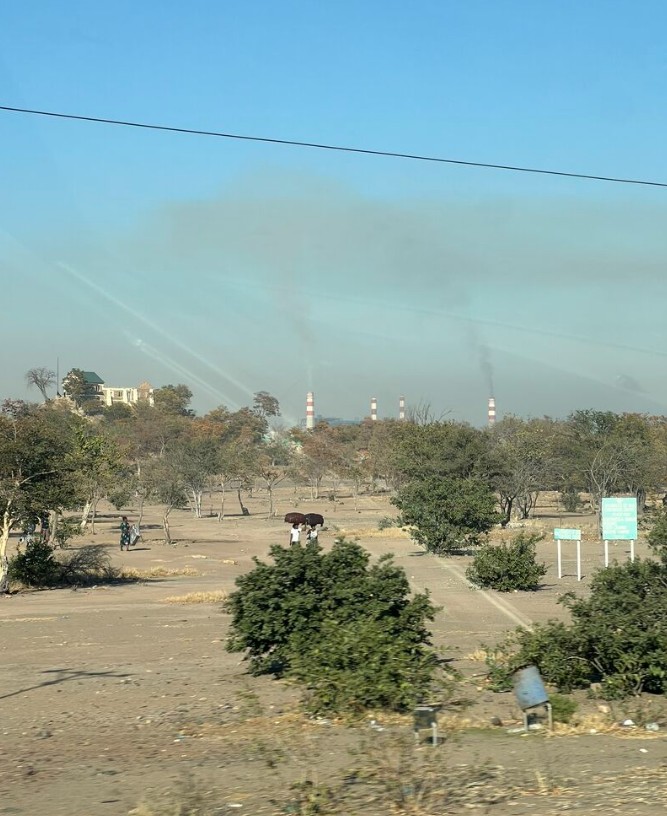
Our driver explained that the poor roads and dust issues have been exacerbated by increased mining and industrial activity in the region. Looking out the window, the reality of that was clear:
💨 Dust clouds from passing trucks
🏭 Industrial emissions visible including a layer of smog
🏘️ Schools, villages, and farmland right on the roadside, carpetted with layers of dust
🚰 People travelling miles on foot to collect daily water
After nearly four years working as an Air Quality Consultant and understanding the health impacts of particulate matter, it was a moment that stayed with me.
It made me think about why our UK air quality regulation, dust mitigation, and monitoring matter. Not just because they are required in site assessments, but because real people live, work, and travel alongside these impacts every day.
My monitor gave me the numbers, but the photos below probably tell the story more clearly.
Air quality monitoring is often about making invisible pollutants visible. Sometimes, though, the issue is already entirely visible. We just need to act on it.